CCCU International Field School in Archaeology
We’re excited to offer international students the opportunity to join our archaeological field school in partnership with Canterbury Christ Church University, combining classroom learning, guided excursions through the historic surroundings of Canterbury, and hands-on excavation experience at a Romano-British site in the East Sussex countryside.

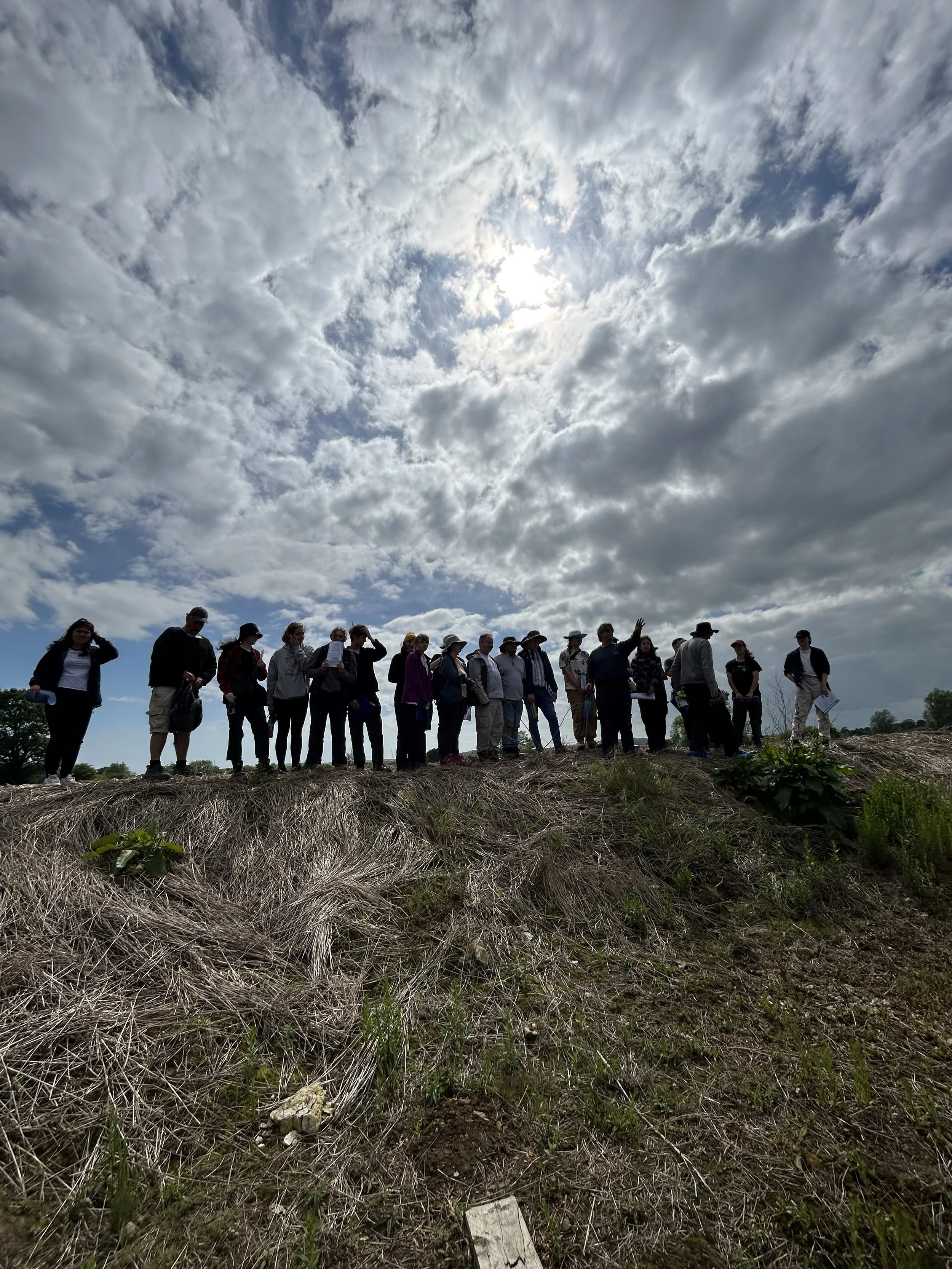
Discover archaeology through six weeks of immersive fieldwork, study and exploration across some of Britain’s most historic landscapes. No previous experience required!
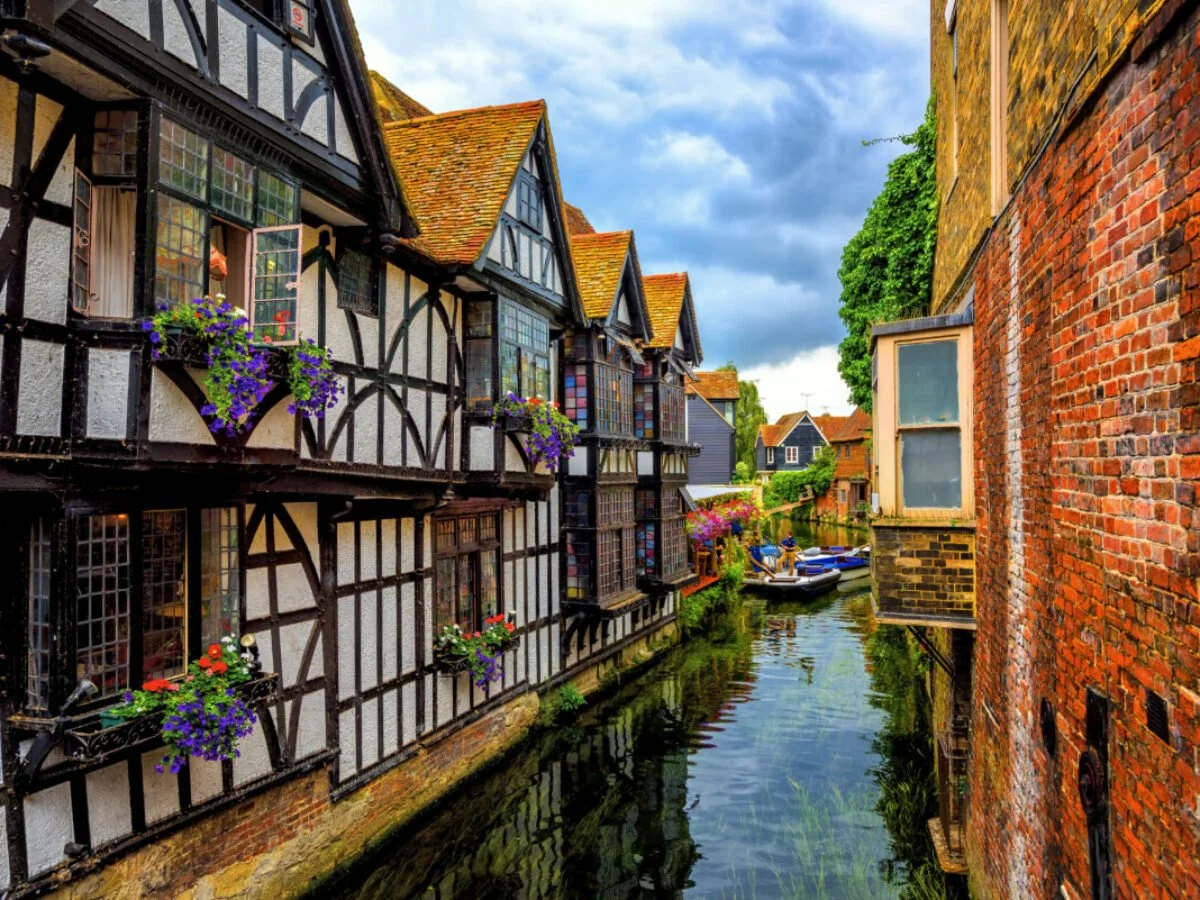
The Canterbury Christ Church University (CCCU) International Field School in Archaeology combines comprehensive archaeological training with the opportunity to study and explore the rich heritage of southern England. Based between the UNESCO World Heritage Site of Canterbury and the archaeological site at Bridge Farm in the East Sussex countryside, students progress from classroom learning and guided excursions to practical field training and supervised excavation on an active research project.
Throughout the programme, you’ll receive training in a broad range of archaeological skills, gain hands-on fieldwork experience, and work alongside experienced archaeologists, fellow students and volunteers from around the world. Whether you are considering a future in archaeology, looking to strengthen your field experience, or simply want the opportunity to take part in a real excavation, the field school offers a chance to learn, travel, network and become part of an international archaeological community.
Participation in the field school is 6 weeks in total and includes:
2 weeks in class training in Canterbury
2 weeks of hands-on training on-site in Sussex and 2 weeks supervised excavation.
Training includes site formation processes, excavation and recording, environmental sampling, finds processing, geophysical survey, photography and more!
“Culver is the perfect training site to experience British Archaeology and get the practical experience you need to prepare for a career in archaeology.”
— Blake, CCCU Alumni
Dates and application deadlines for 2027 season to be announced soon!
2026 Fees £3485*
6-week comprehensive training includes:
Two weeks taught component in Canterbury
Two weeks training on site
Two weeks of supervised excavation experience
Trips to local archaeological sites with experts
Hands on post-excavation processing experience
Equipment and tools, including your own trowel
Accommodation in Canterbury
Campsite accommodation at Bridge Farm, Barcombe
Access to on site showers, kitchen, lounge and clothes washing facilities.
*Price not include airfare, transport to/from airports or accident insurance.
The CCCU Team
-
Dr Ellie Williams
Reader in Osteology
-
Dr Jay Ingate
Senior Lecturer in Roman Archaeology
Course Director
-
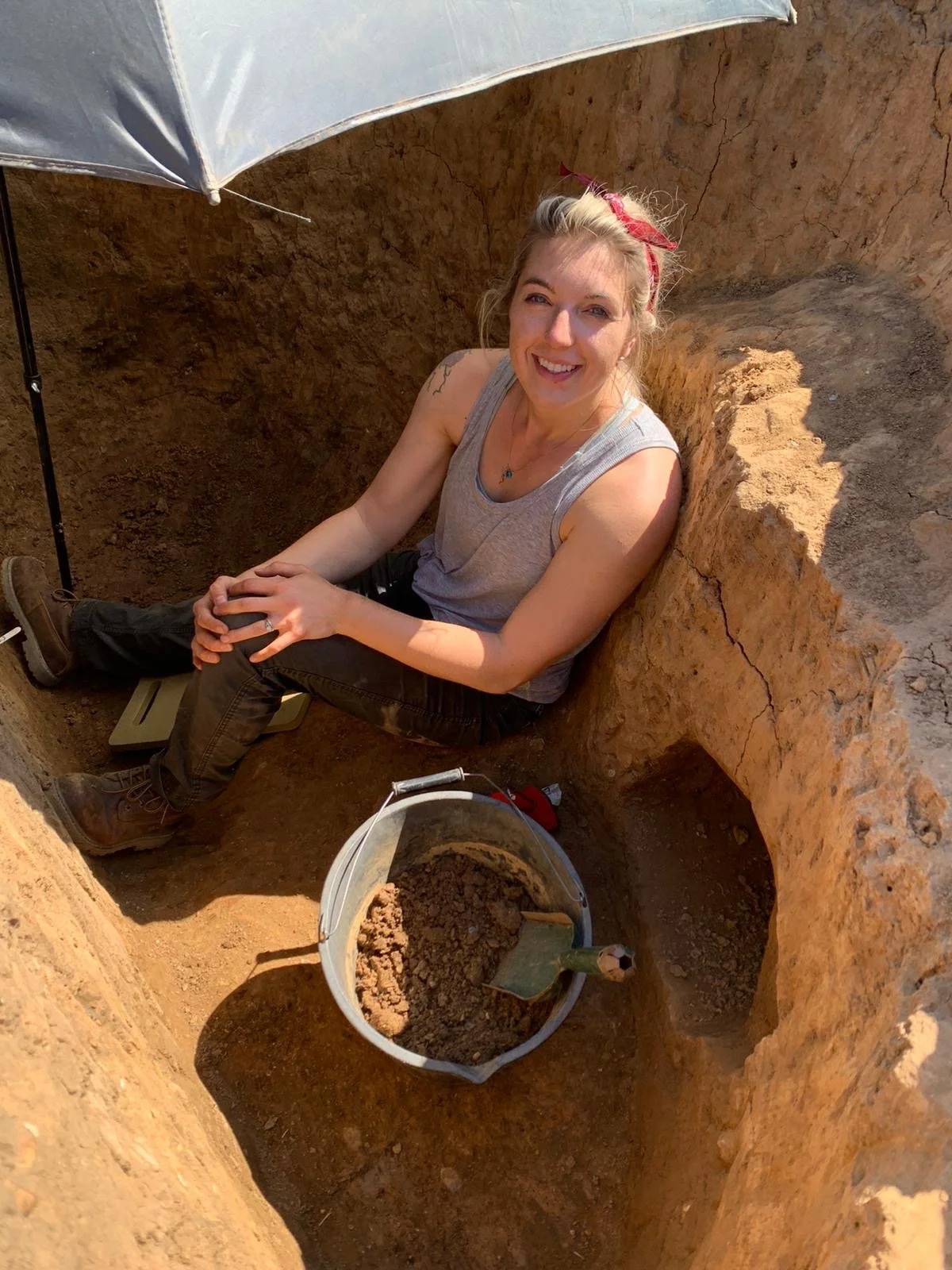
Lisa Duffy
Instructor in Archaeological Practice
Course Lead
-
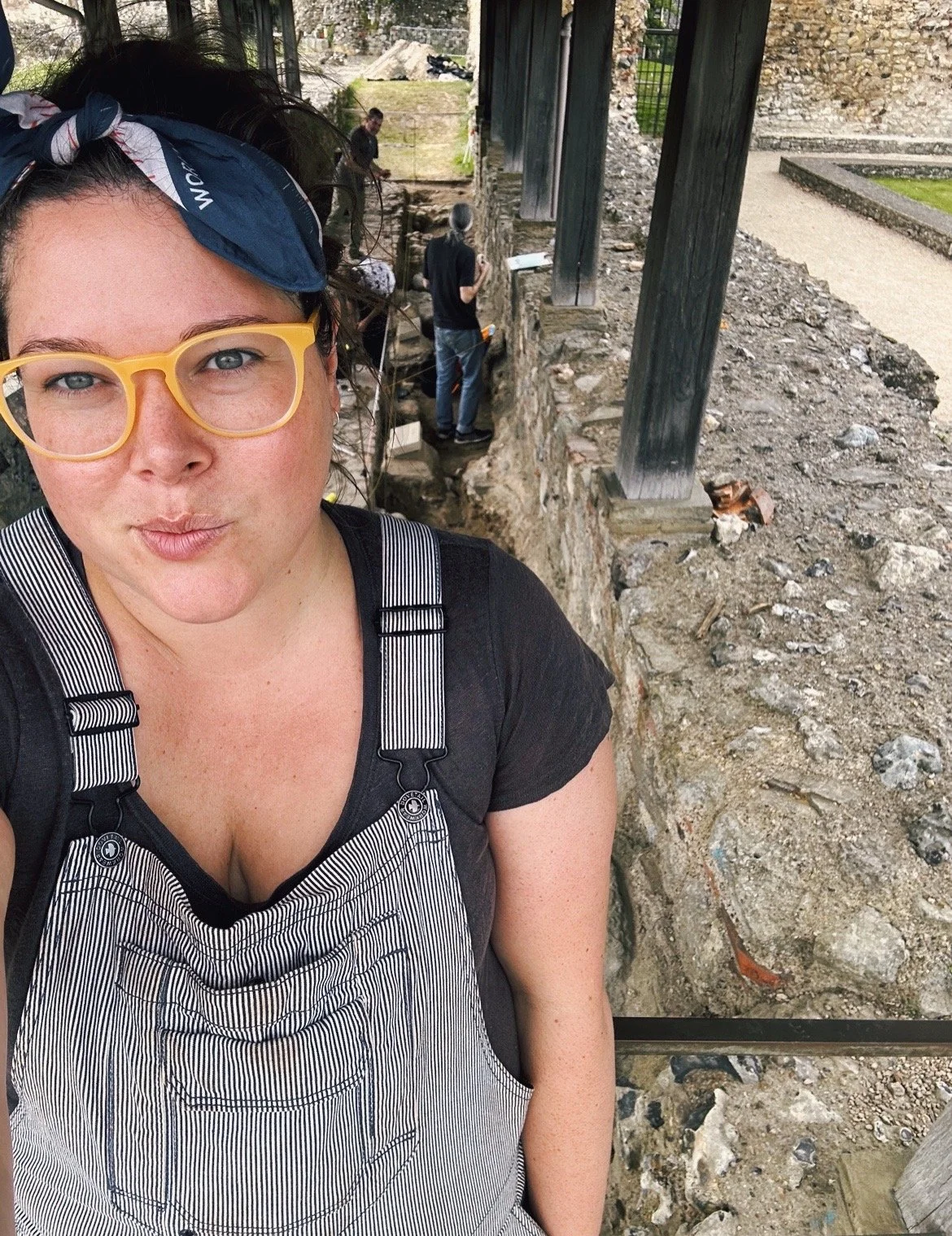
Dr Heidi Stoner
Senior Lecturer in Medieval Archaeology
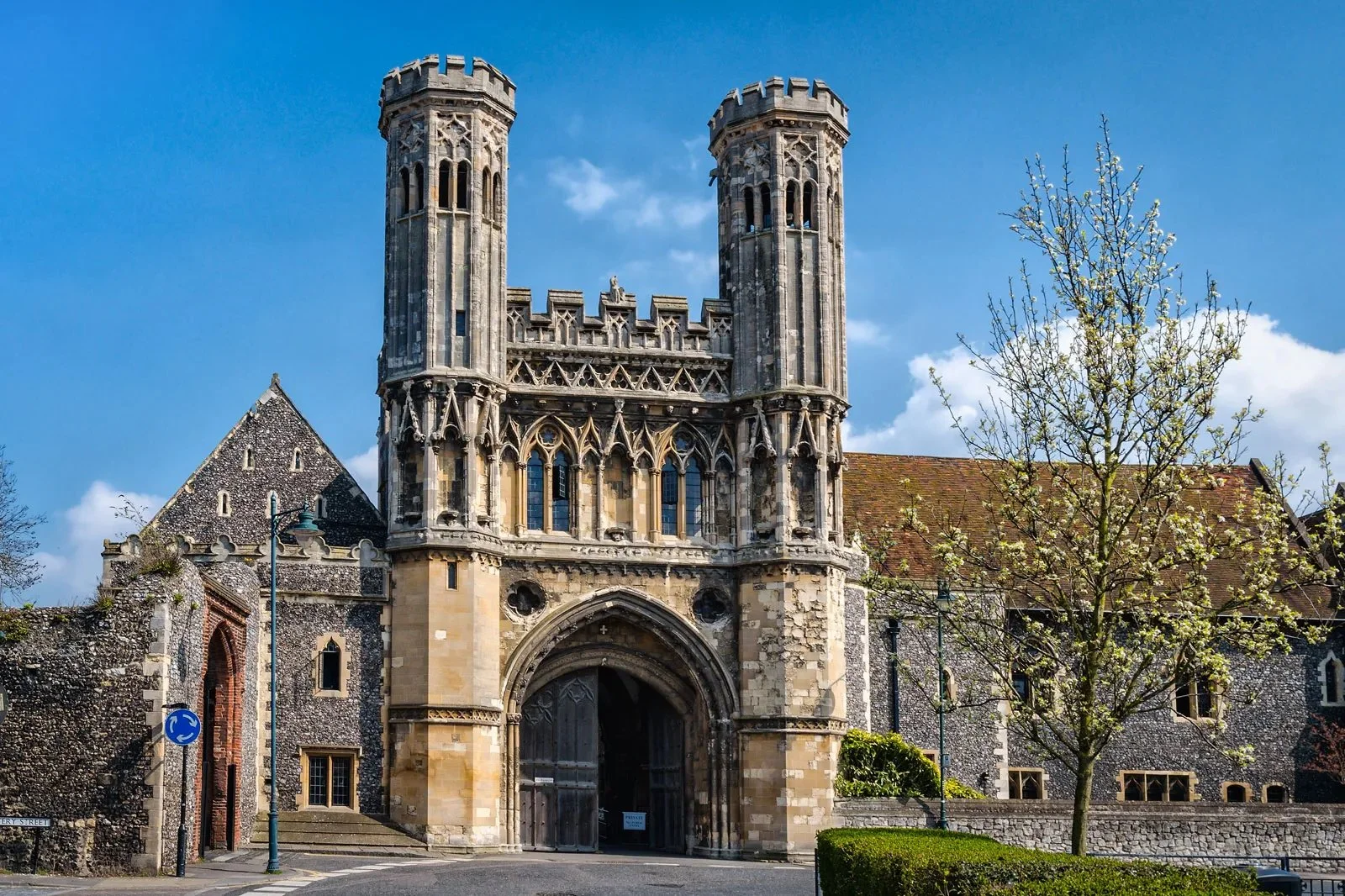
Programme Overview
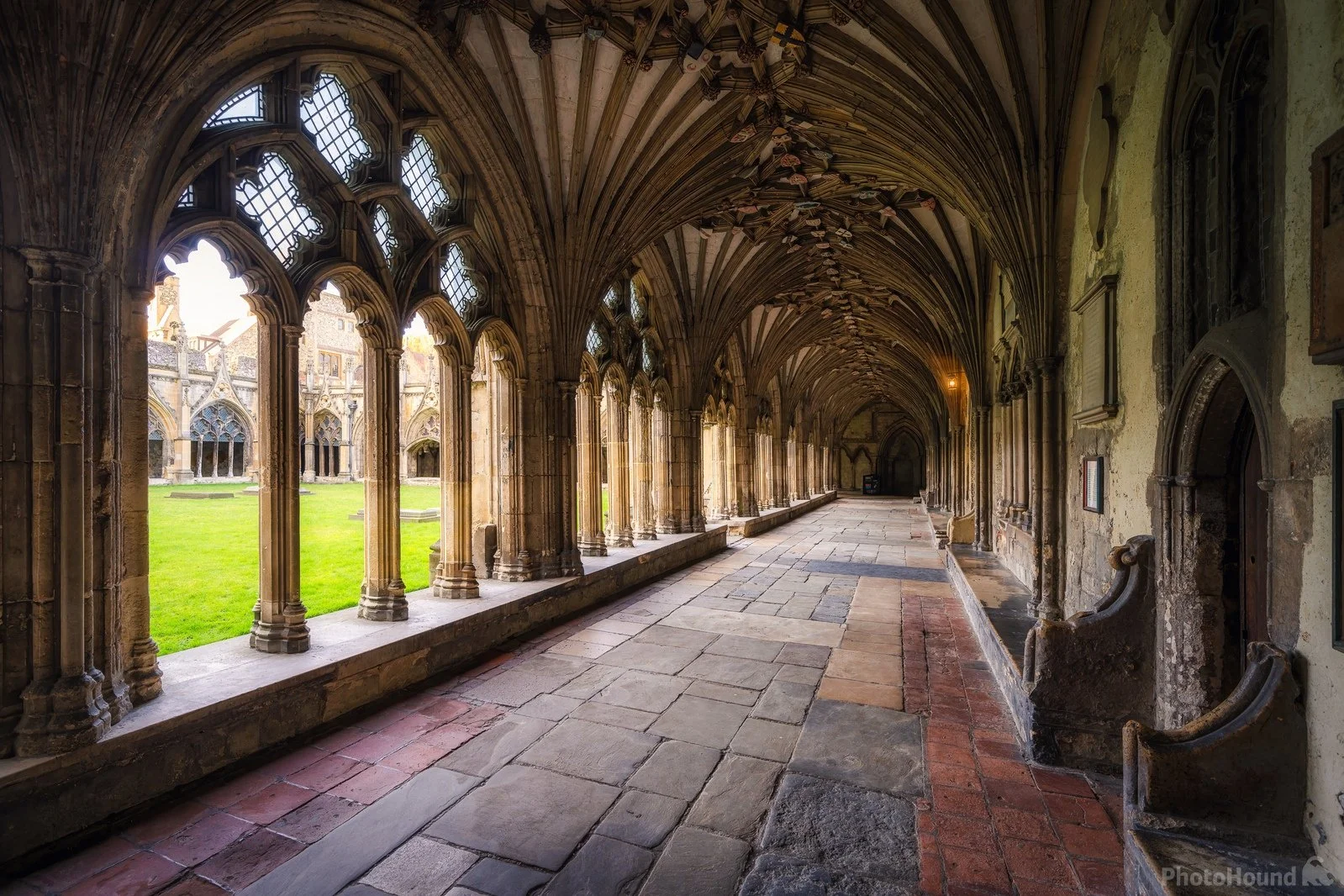
Week 1: Introduction to British Archaeology
-
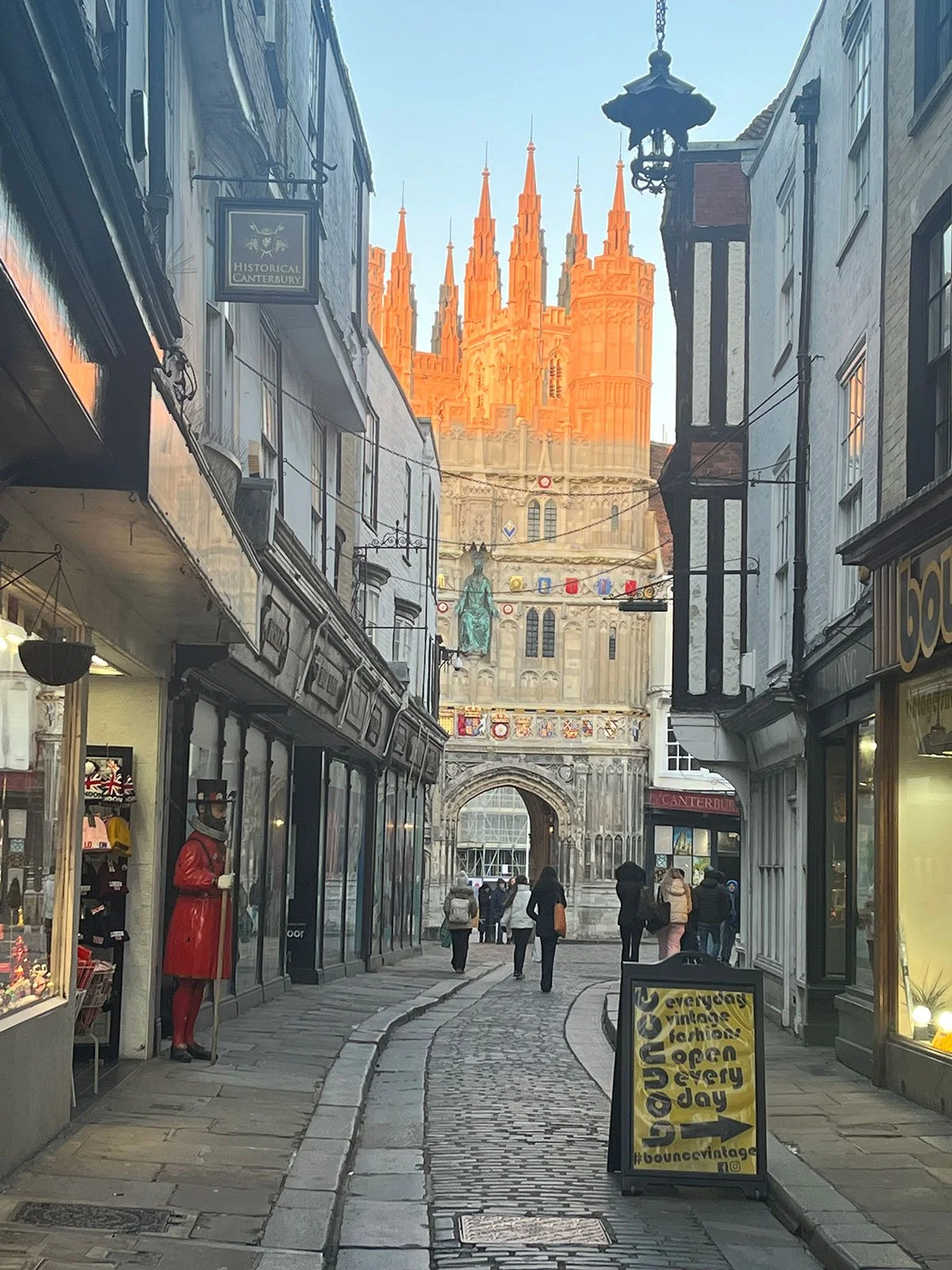
During your first week, you’ll arrive in historic Canterbury and take part in a programme led by CCCU’s archaeology team at our city-centre campus, situated within the UNESCO World Heritage Site. Alongside guided walks exploring Canterbury’s Roman and medieval archaeology, you’ll be introduced to major periods of British history and take part in specialist practical sessions covering topics such as osteoarchaeology and artefact handling. This will will provide you with a strong foundation to engage with the excavation and make the most of your time at the field school.
-
Sessions will introduce you to a range of topics including :
Introduction to British Archaeology: History, Legal Frameworks, and Careers.
Roman Britain
Osteoarchaeology
The Prehistoric Landscape
Medieval Archaeology
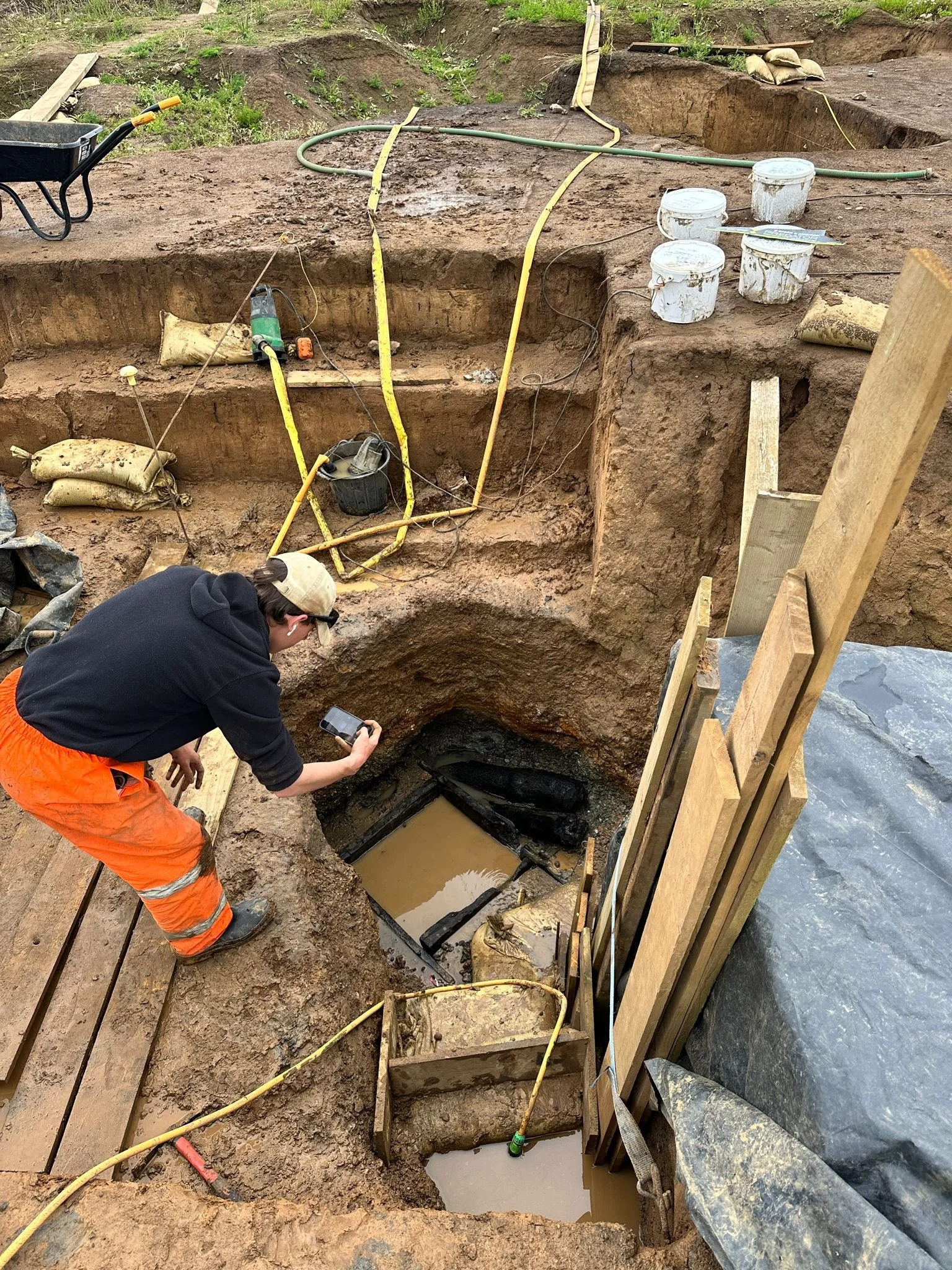
Week 2 and 3: Field School
-
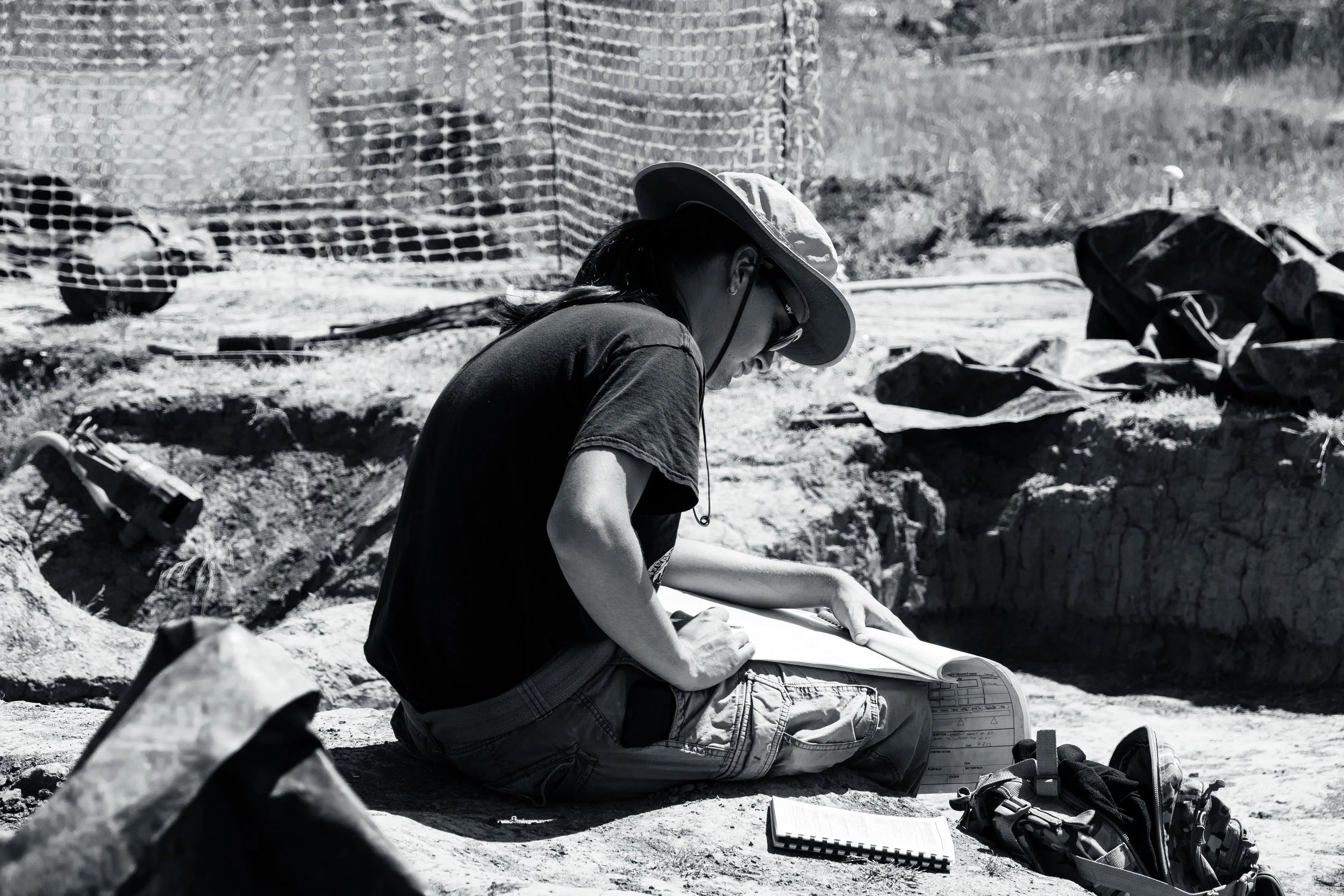
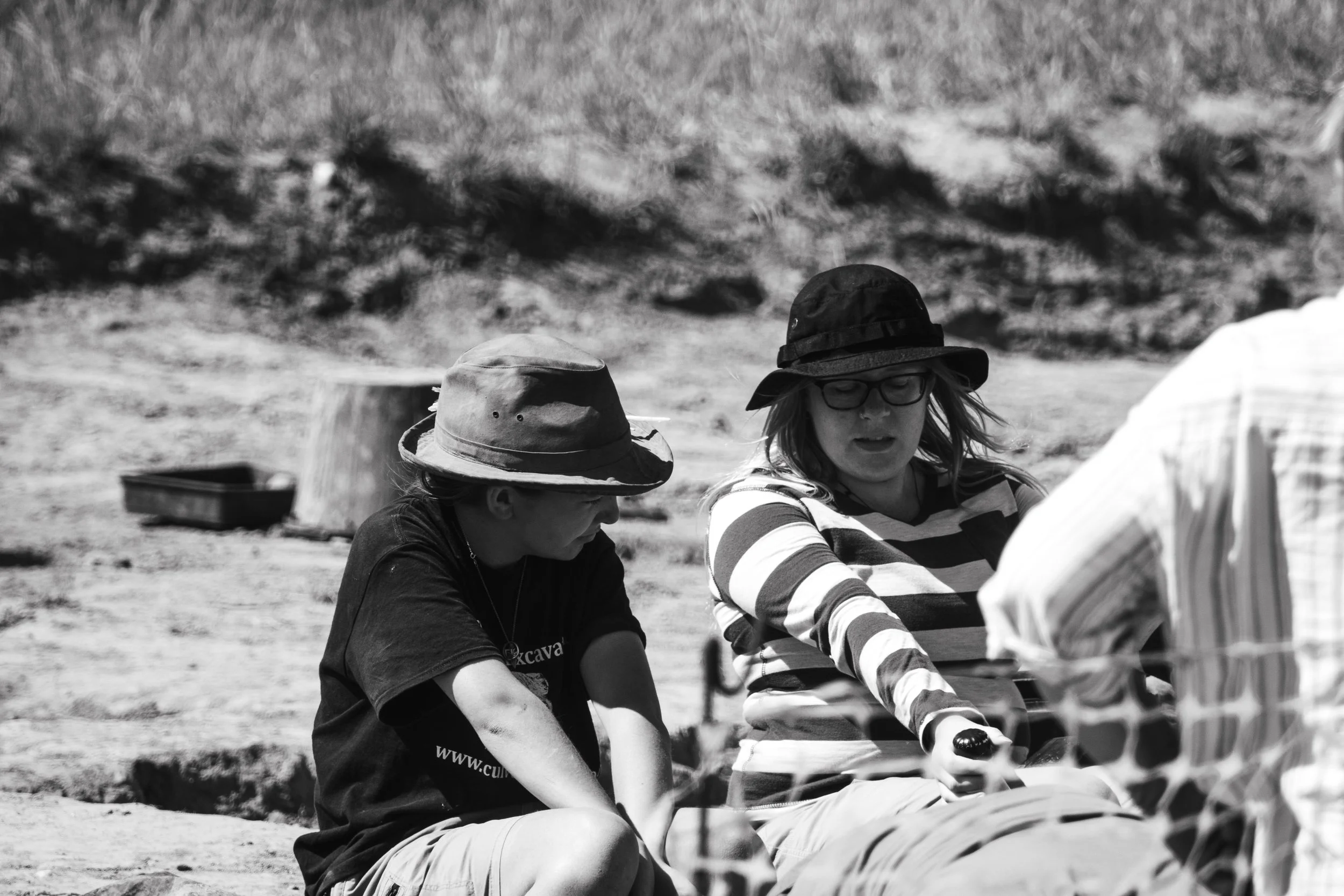
Alongside CCCU students, you’ll receive comprehensive fieldwork training, developing new skills through a combination of classroom-based sessions and hands-on practical exercises. Training is delivered by a range of archaeological specialists and is designed to provide the same core fieldwork experience received by undergraduate students on university archaeology degrees. The programme will introduce you to a broad range of archaeological field methods while giving you the opportunity to apply these skills directly to an active research project.
-
You will receive training in a range of archaeological skills and techniques (some may be subject to weather conditions and availability) including:
Site health and safety
Excavation techniques
Magnetometry survey
Resistivity survey
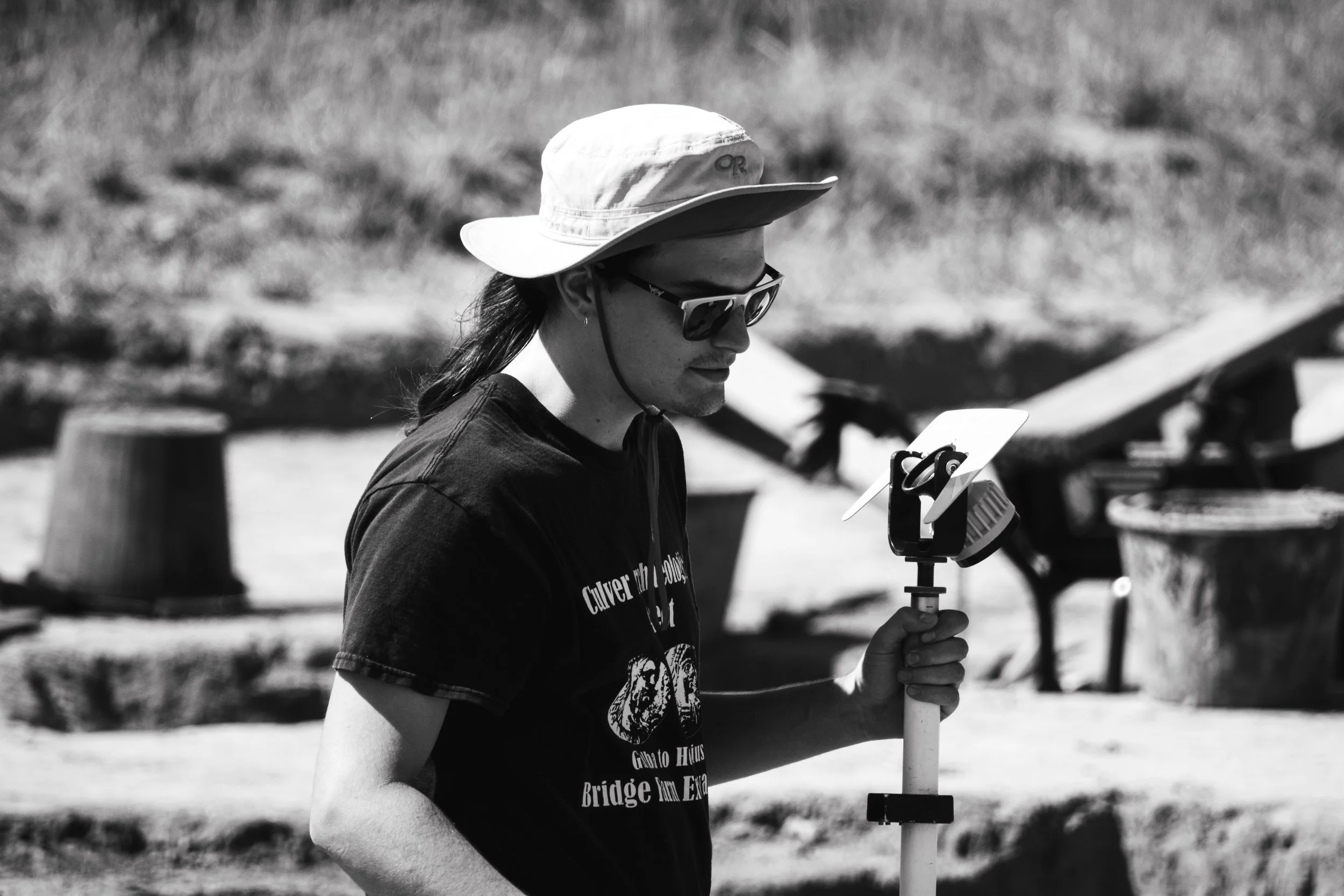
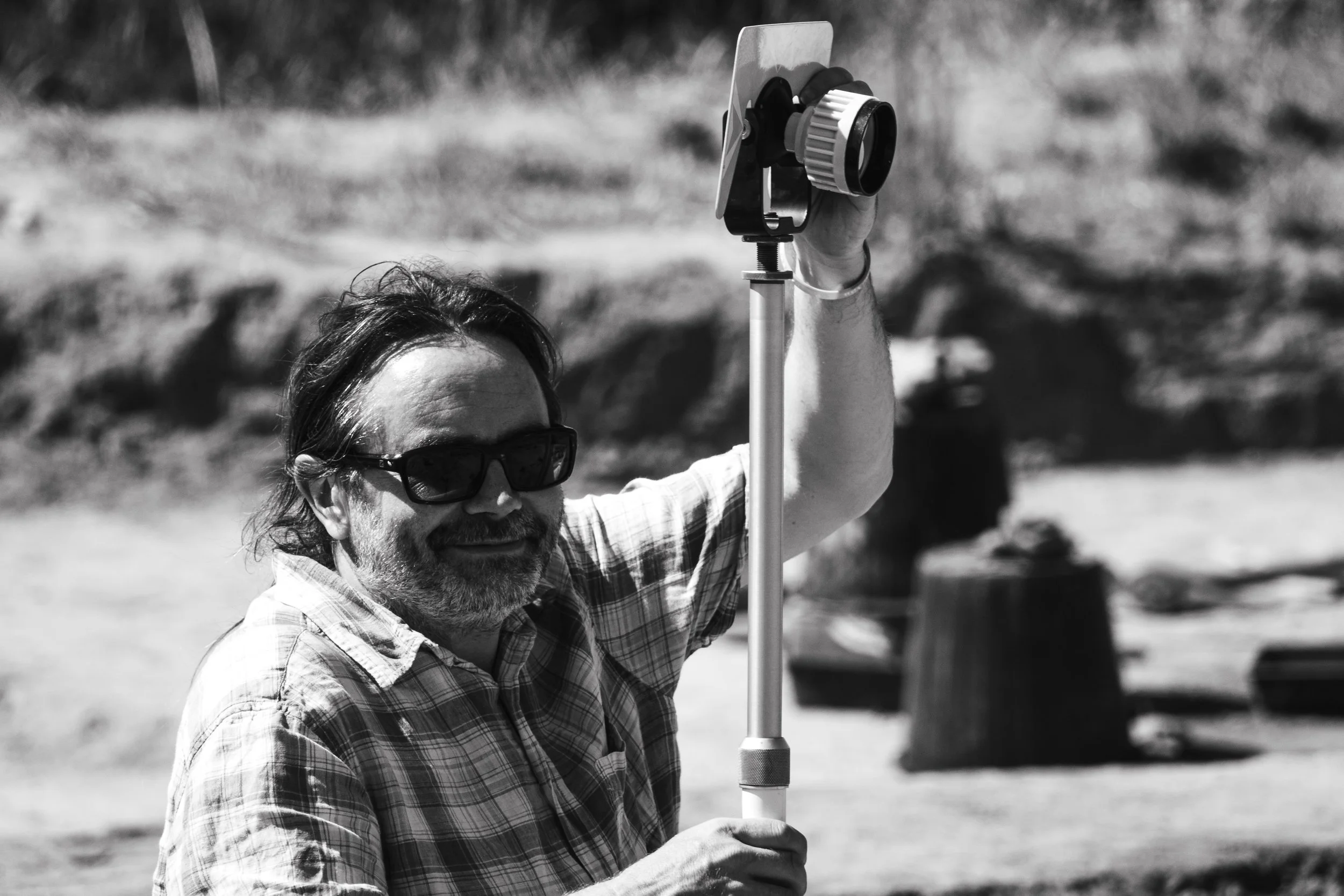
Use of 'total station' and 'dumpy' level
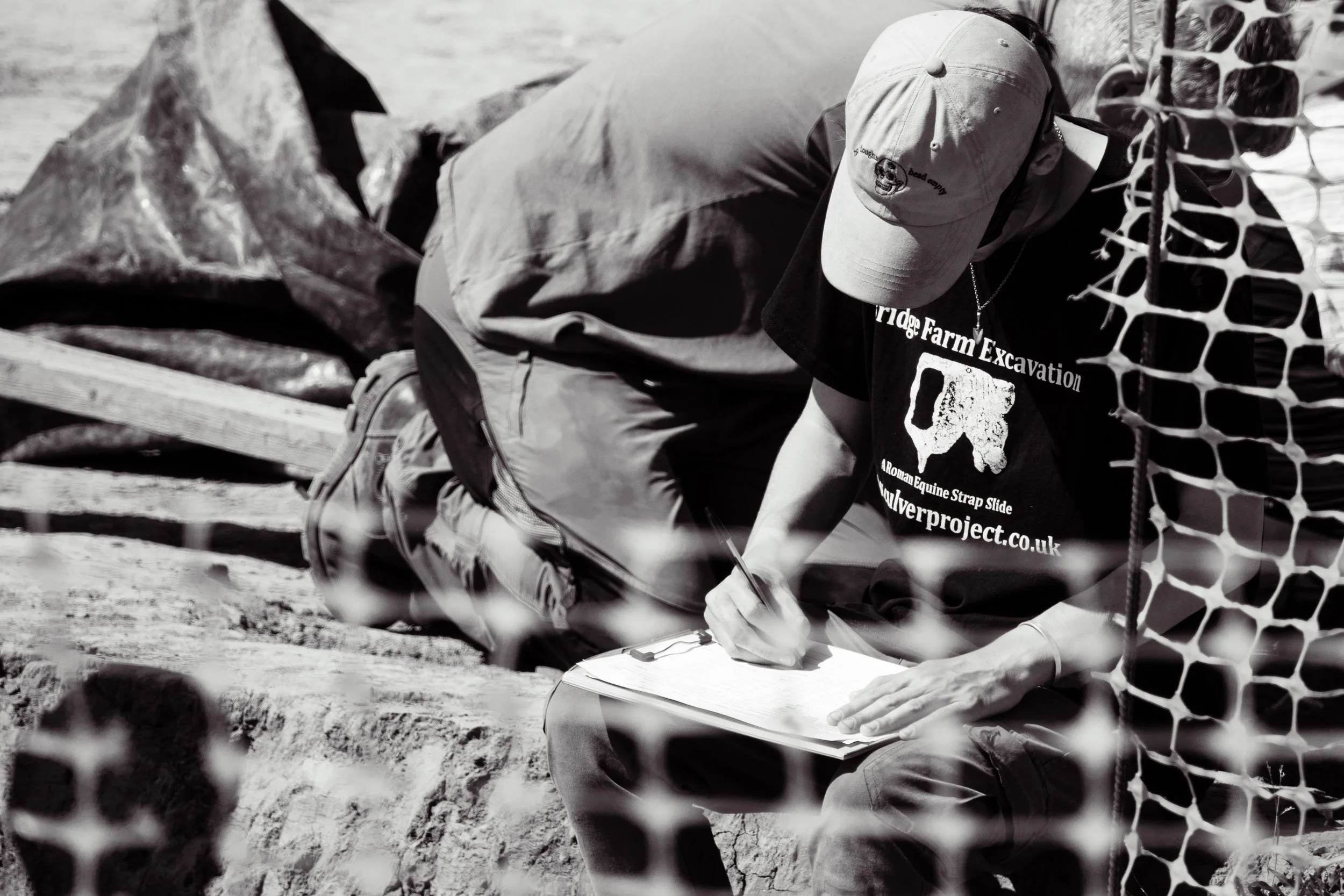
Excavation recording
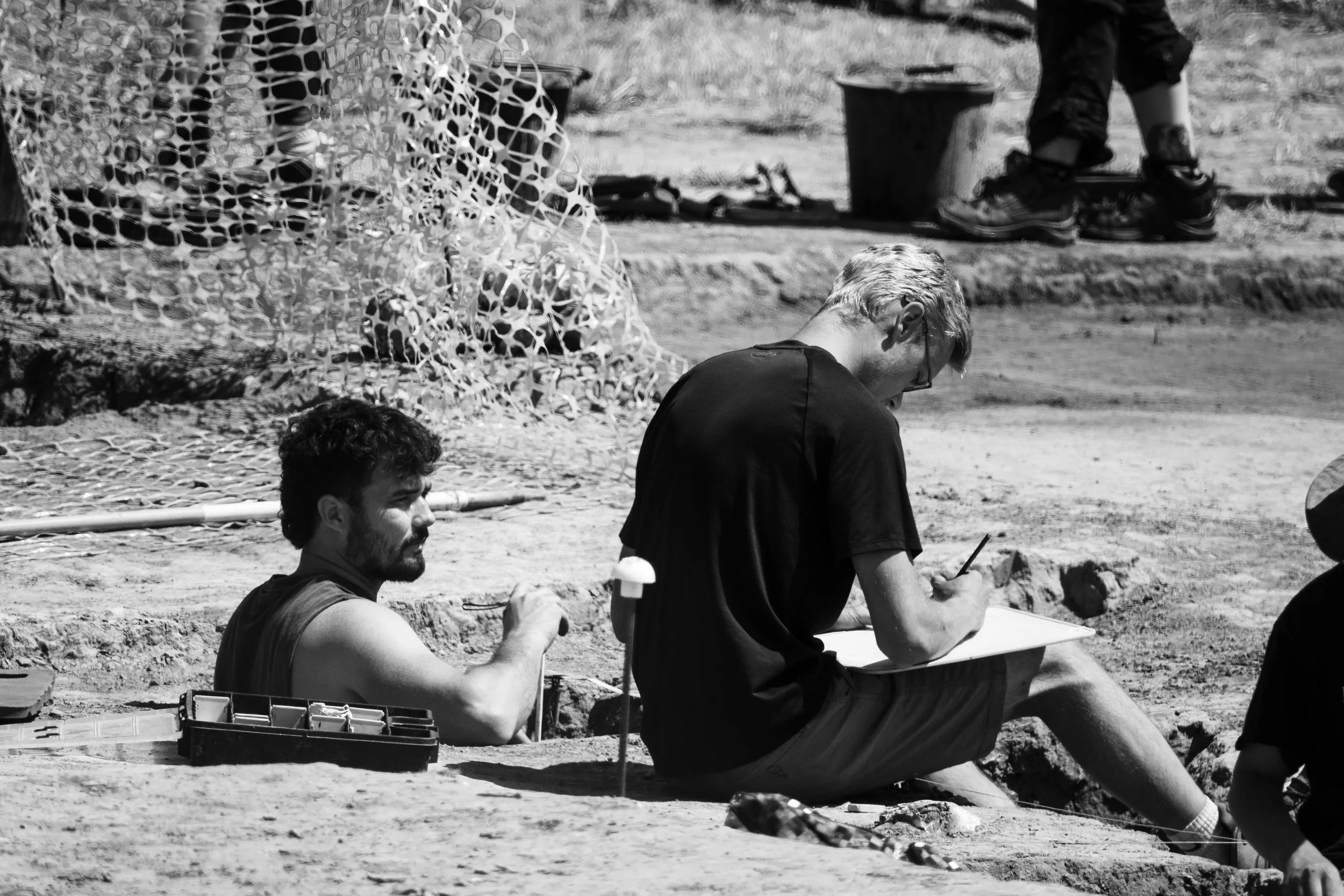
Plan drawing
Section drawing
Site formation
Environmental archaeology
Finds processing
Archaeological photography
Site grid set-up
Standing vernacular building recording
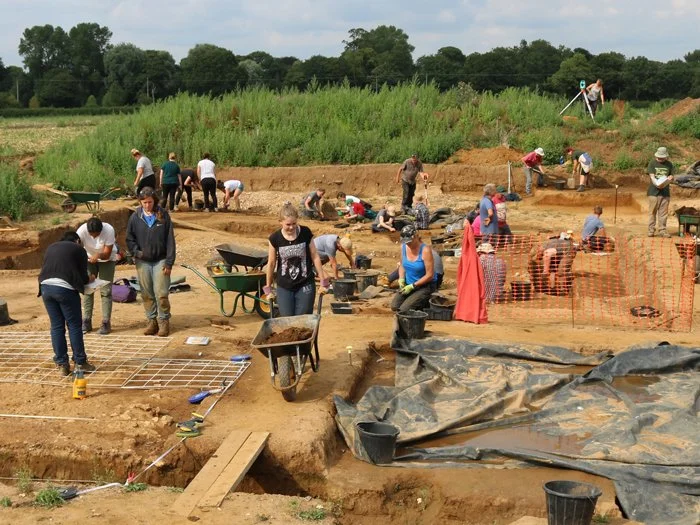
Week 4 and 5: Excavation
-
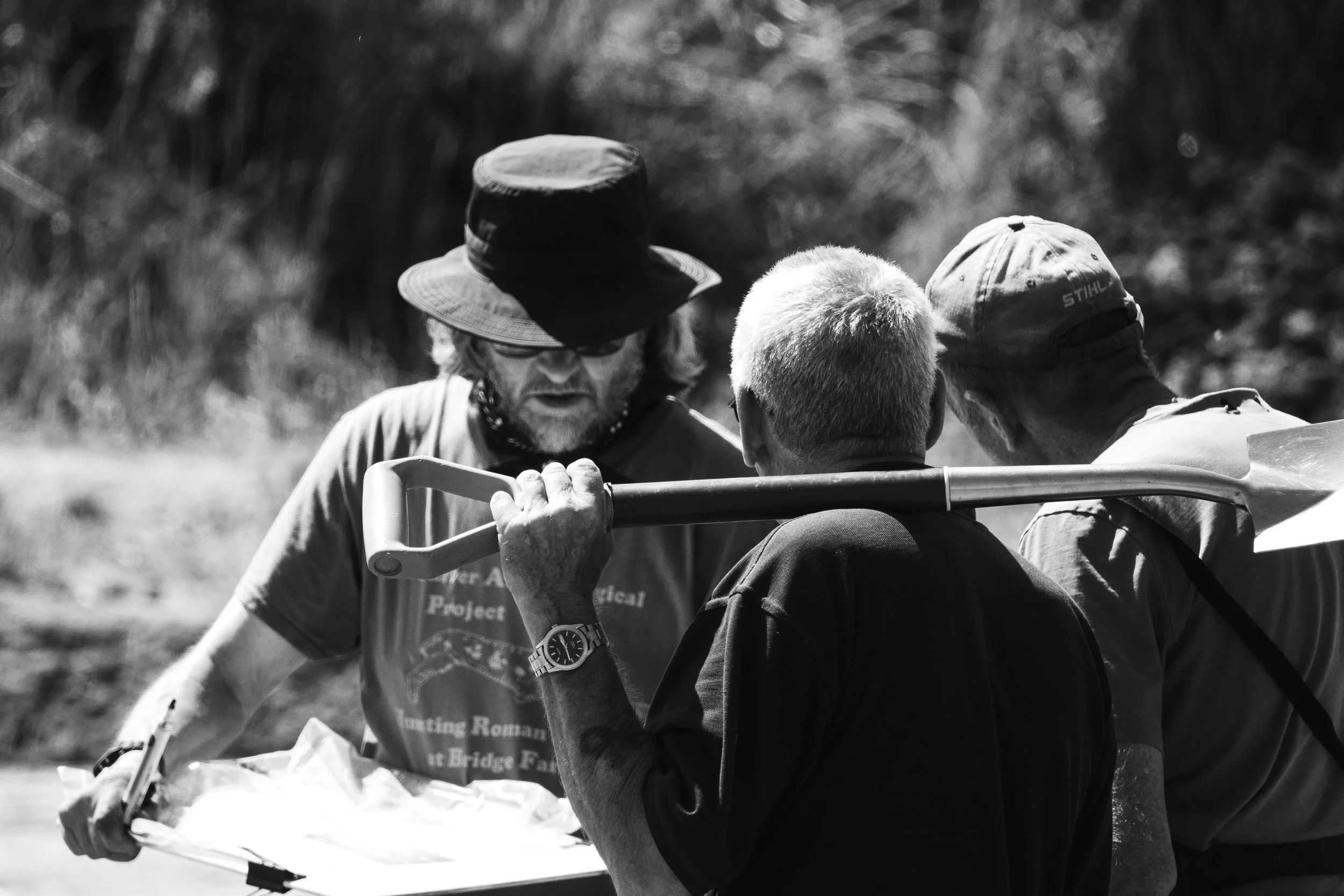
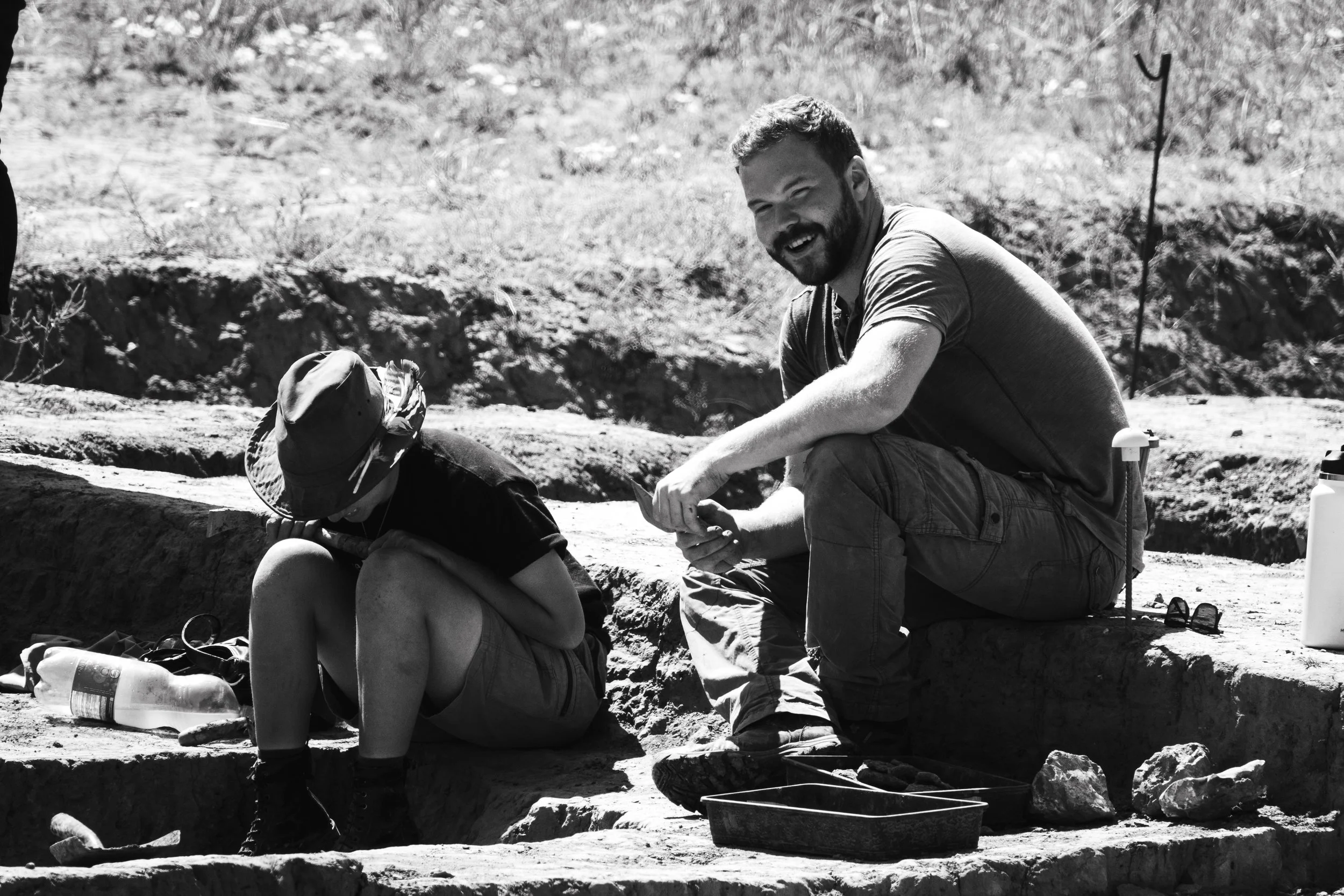
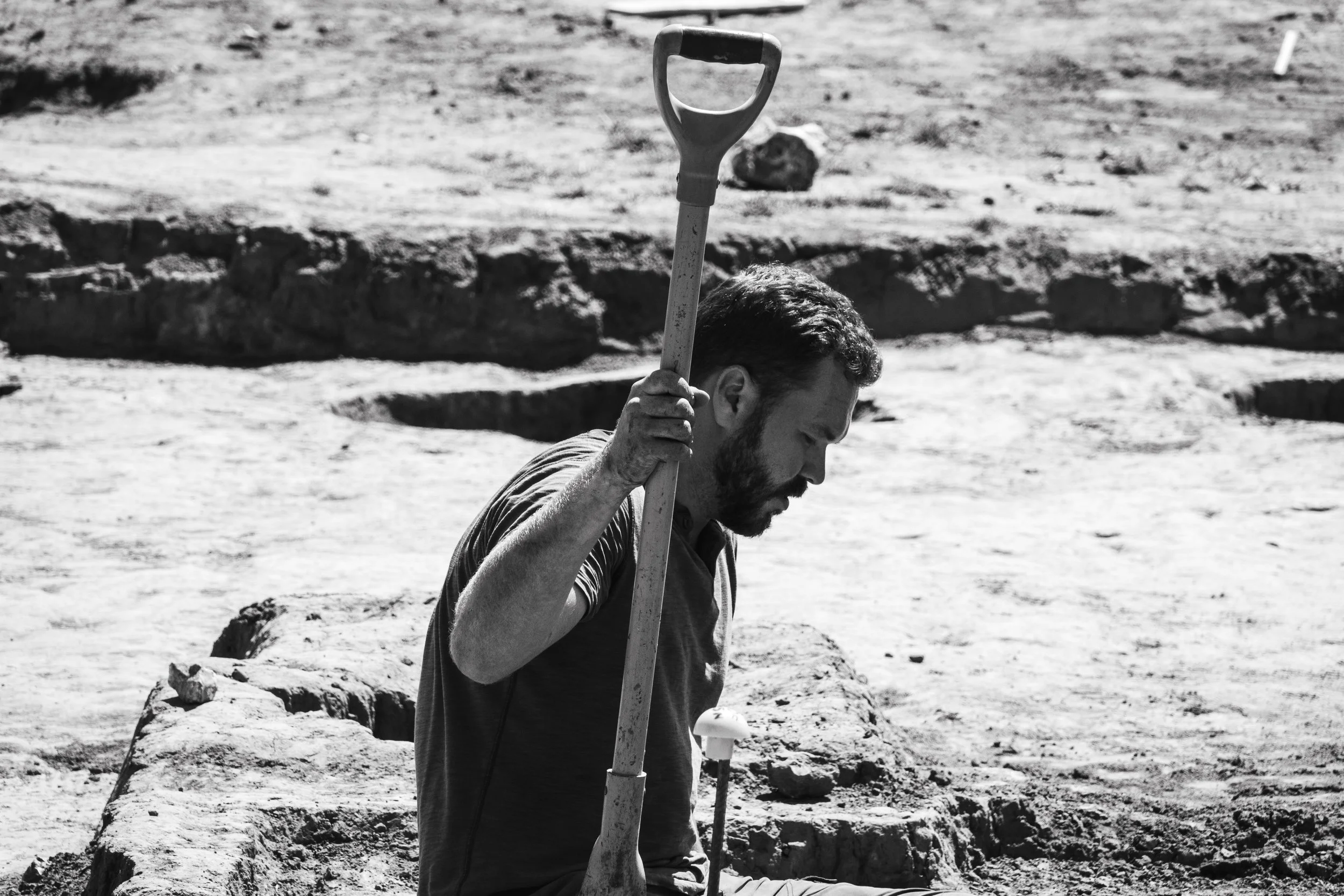
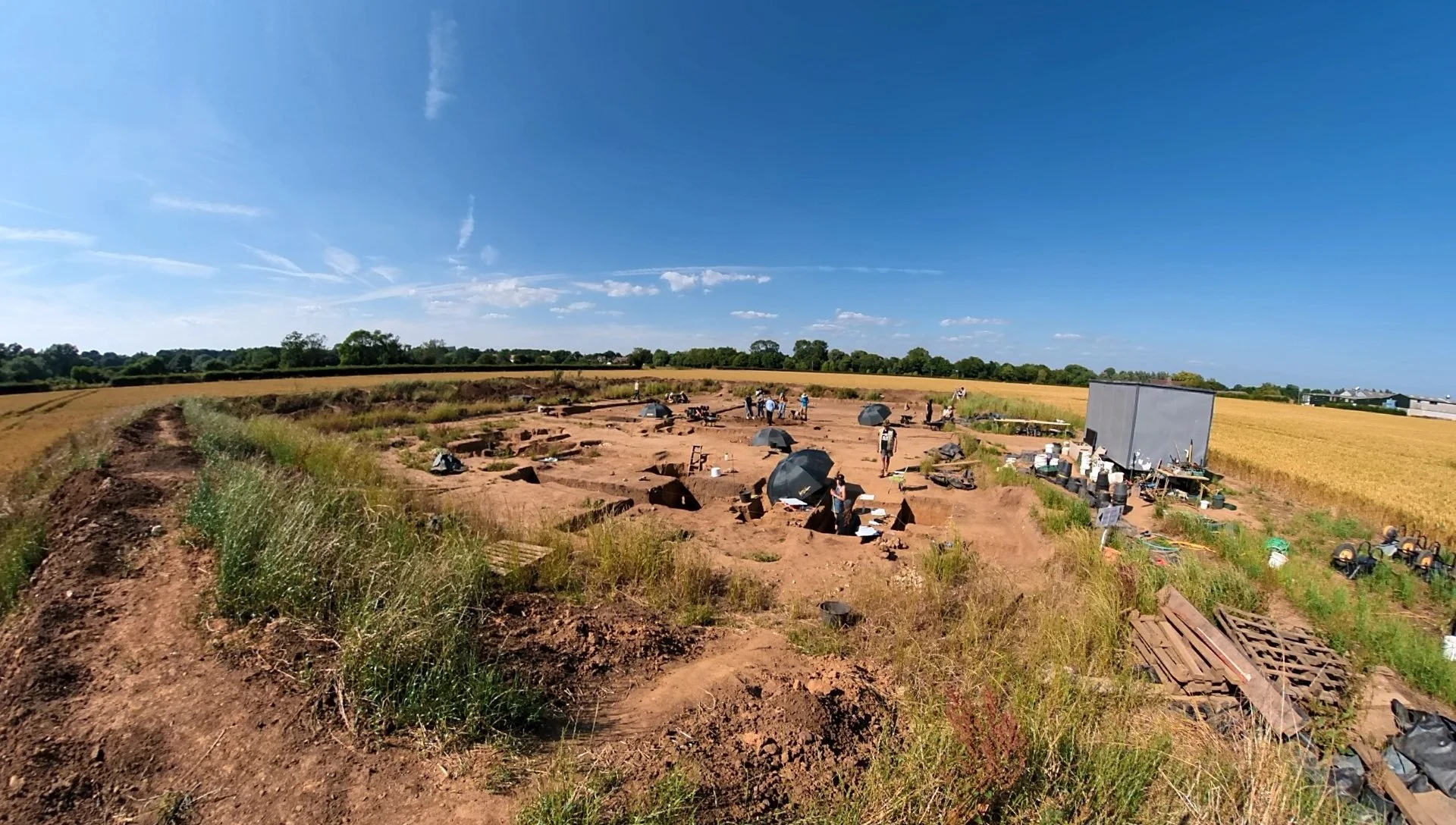
The last two weeks of the field school will be spent putting your newly acquired skills into practice on an active rural Romano-British settlement site in the East Sussex countryside. Working alongside experienced archaeologists, students and volunteers, you’ll develop your excavation skills through hands-on experience and contribute directly to the ongoing archaeological research at Culver.
-
These two weeks are mainly spent in the field, putting these new skills into practice and working alongside volunteers, students and experienced excavators to contribute to the research project. There is always plenty of work to do, both in the field for those keen to dig and in finds processing hut. We sometimes have environmental processing work available for students who want to try their hand at flotation or residue sorting.
Week 6: Exploring Kent
-
You will return to Canterbury for your final week with the team back at CCCU to complete your field experiences.
-
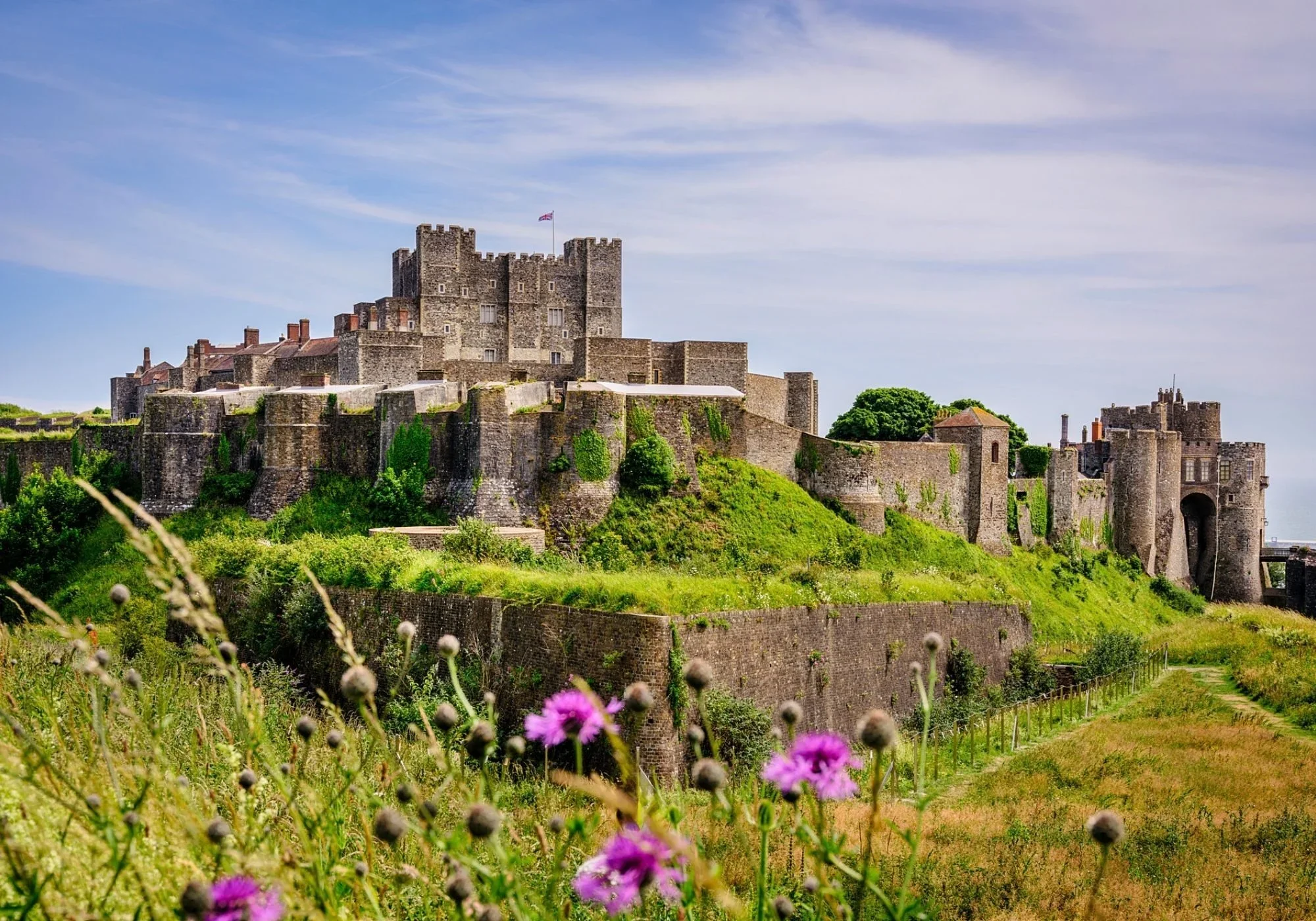
During this week, you will be guided on excursions exploring the wider world of Kentish archaeology, with visits to a range of important archaeological and historic sites such as Dover Castle, Richborough Roman Fort, Reculver Towers and Bigbury Iron Age Hillfort. Alongside the guided visits, you’ll have opportunities to explore independently and discover the rich archaeological heritage of the region.